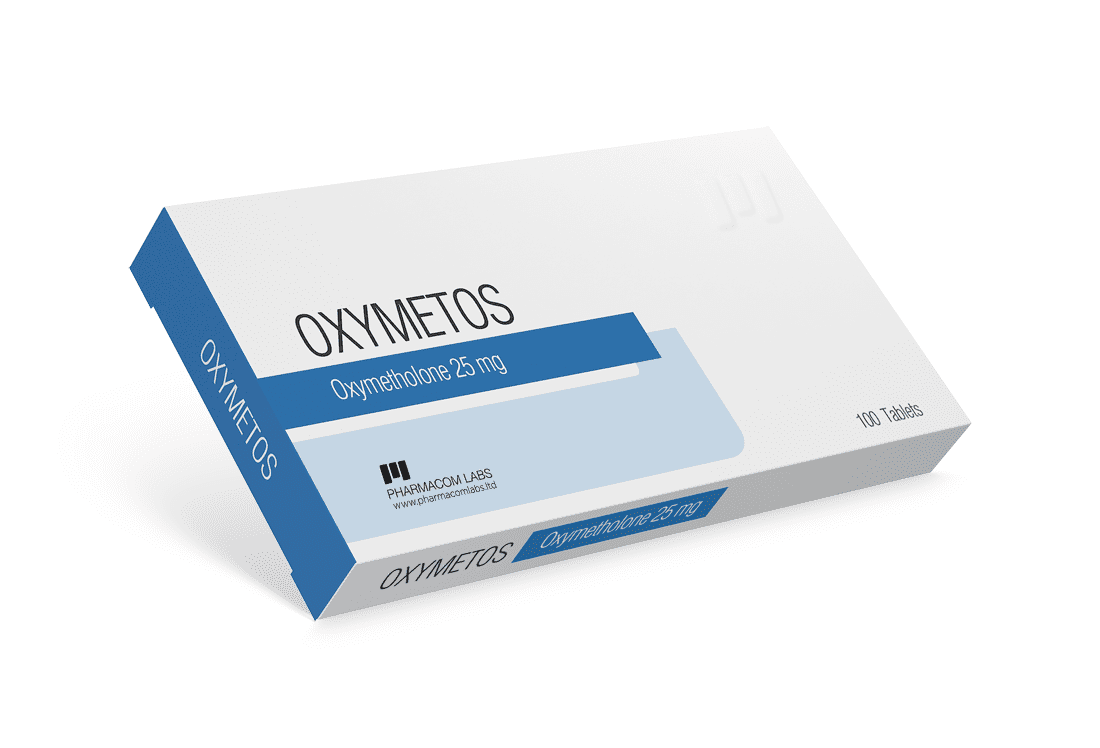
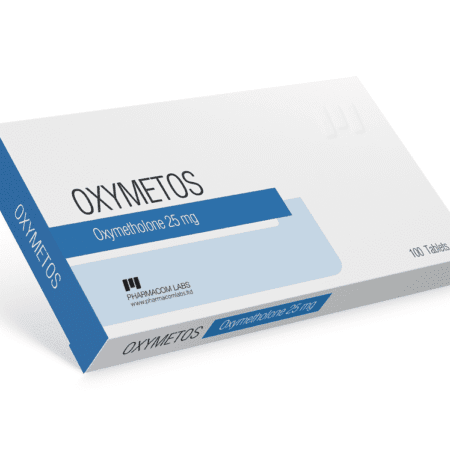
Oxymetholone (Anadrol / Anapolon)
Oxymetholone is a potent synthetic oral anabolic steroid, classed as a 17-alpha-alkylated derivative of dihydrotestosterone (DHT). It was originally developed to treat anaemia, osteoporosis and to support muscle growth in undernourished or debilitated patients, and was approved for human use by the U.S. FDA. As more effective non-steroidal treatments for anaemia and osteoporosis came through, oxymetholone’s medical role shrank — and most manufacturers, Syntex in 1993 among them, discontinued production.
Performance and Effects
Oxymetholone is known for extremely rapid and dramatic gains in muscle mass and strength — often in the same bracket as methandienone (Dianabol). And like Dianabol, a good slice of the weight added comes down to intracellular water retention, which can push elevated blood pressure on-cycle.
Lifters frequently describe a pronounced “pumping” effect, driven by oxymetholone’s ability to increase red blood cell count and total blood volume. The muscular engorgement can get so intense that it actually gets in the way of training — premature muscle fatigue or discomfort cutting sessions short earlier than planned.
Oestrogenic Activity
Although it is a DHT derivative — a class that normally resists conversion to oestrogen — oxymetholone still shows notable oestrogenic effects. This is not due to aromatisation (it cannot be converted to oestradiol via the aromatase enzyme), but more likely due to direct interaction with oestrogen receptors. For that reason, aromatase inhibitors (AIs) do little to blunt the knock-on side effects. What works instead are selective oestrogen receptor modulators (SERMs) such as Tamoxifen, used to manage symptoms like gynaecomastia and water retention.
There is also speculation that oxymetholone may show some progestogenic properties, in the way nandrolones do — which could account for part of the oestrogen-like side-effect profile. Clinical data do not support any significant progestogenic activity, though.
Key Characteristics
-
Chemical class: 17α-alkylated DHT derivative
-
Primary effects: fast muscle gain, strength increases, higher red blood cell output
-
Water retention: high
-
Oestrogenic activity: present, but non-aromatising
-
Aromatase inhibitors: ineffective here
-
Antioestrogens (SERMs): useful for managing side effects
-
Progestogenic activity: none observed in medical studies
-
Medical use: once used for anaemia, osteoporosis and wasting conditions — largely replaced today
Reviews
There are no reviews yet